Discovering New Skills Through Advanced Courses in Cooking

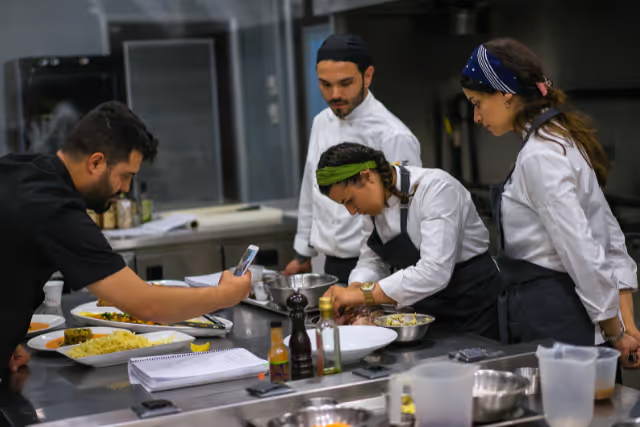
Master new techniques & refine your skills with advanced cooking courses at CCA Manila. Elevate your craft & explore endless culinary possibilities!
Culinary is a mix of artistry, science, and skill, evolving as chefs and enthusiasts bring their creativity to the table. Advanced courses in cooking offer an exciting opportunity to learn new techniques, refine your skills, and explore the culinary world’s endless possibilities. At CCA Manila, these programs go beyond perfecting recipes—they’re designed to transform how you think about food, its preparation, and presentation, empowering you to elevate your craft and push boundaries in the culinary arts.
We’ll look closer at the valuable and innovative skills you can discover through advanced culinary training.
Precision Knife Skills
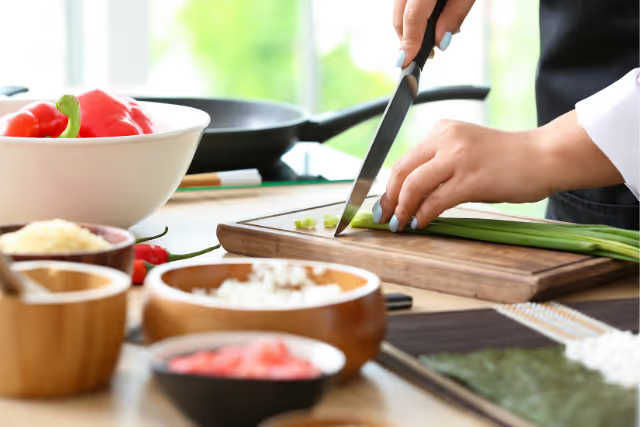
Knife skills are a crucial foundation for any chef, and the best culinary schools focus on taking these abilities to the next level. Techniques like julienne, brunoise, and tourne are taught not just as cutting methods but as tools to create uniformity, improve texture, and enhance a dish’s presentation. Each cut has a purpose, whether ensuring even cooking or making the final plate more visually appealing.
Culinary courses also emphasize the practical aspects of knife handling. You’ll learn to choose the right knife for each task, maintain its sharpness, and work safely and efficiently. These skills are essential in professional kitchens, where speed and precision are non-negotiable.
By honing precision knife skills in a structured cooking class, you gain the confidence and expertise to handle ingredients with care and consistency.
Food Pairing Expertise
Food pairing blends creativity with a deep understanding of flavor chemistry to create balanced and memorable dishes. Advanced culinary programs focus on teaching the science behind how ingredients interact, helping chefs understand how to enhance and complement flavors effectively. This training moves beyond basic combinations, exploring the intricacies of taste, aroma, and texture.
These cooking lessons allow you to balance elements like sweetness, acidity, bitterness, and umami while experimenting with classic and unconventional pairings. For instance, pairing fruits with proteins or introducing unexpected spices can create bold and harmonious results. The emphasis is on crafting combinations that respect the dish’s essence while exploring new possibilities.
Presentation and Plating
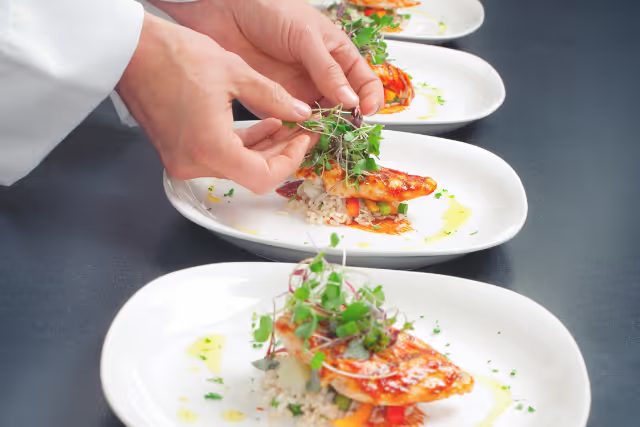
A dish’s presentation significantly influences how it is perceived and enjoyed. Plating is an art that involves carefully balancing color, texture, and arrangement to make a dish visually compelling. Culinary training focuses on these aspects, teaching techniques that highlight the dish’s components and elevate its overall impact.
Creating an effective presentation requires more than visual appeal. It demands an understanding of composition, where each element serves a purpose and complements the theme of the dish. Techniques such as layering, height variation, and strategic use of space help guide the eye and enhance the dining experience.
Wine and Beverage Pairing
Pairing food with beverages is a skill that elevates the dining experience. Advanced culinary training teaches chefs to analyze flavor profiles, acidity, tannins, and sweetness, ensuring each pairing enhances the dish and the drink.
A crisp wine can balance the richness of creamy dishes, while a bold beer complements smoky, grilled flavors. Non-alcoholic pairings, such as herbal teas or mocktails, are also explored to suit a variety of preferences without sacrificing thoughtfulness.
Leadership and Team Management
Being a successful chef requires leading a team and collaborating effectively. To prepare for this, many culinary programs offer leadership, team management, and conflict resolution training. These skills are crucial for creating an efficient and enjoyable kitchen environment.
Strong leadership begins with effective communication. Chefs are taught to provide clear instructions, actively listen, and foster a supportive atmosphere that encourages motivation. Task delegation is another essential component, focusing on assigning duties and recognizing and utilizing each team member’s strengths.
Of course, kitchens can be stressful, and tensions sometimes arise. That’s where conflict resolution comes in. Handling disagreements calmly and fairly helps keep the team focused and working together, even under pressure.
Whether you’re managing a small team in a cozy kitchen or overseeing a bustling restaurant operation, the objective is to build trust, encourage collaboration, and inspire your team to bring their best every day.
Creative Problem-Solving
Adaptability is a chef’s most important trait, and creative problem-solving lies at the heart of this skill. Culinary training emphasizes the ability to think on your feet, teaching you to address challenges with resourcefulness and confidence. Whether it’s adjusting a recipe for dietary restrictions, substituting ingredients due to supply shortages, or troubleshooting equipment issues, being able to adapt ensures the kitchen runs smoothly without compromising quality.
Chefs often face unexpected situations, from last-minute changes to a menu to managing unpredictable kitchen dynamics. For example, you might learn how to modify a dish for a gluten-free guest without losing its essence or create alternative plating when certain tools or ingredients aren’t available. These scenarios encourage innovative thinking, helping chefs develop flexibility while maintaining consistency and creativity.
Menu Development and Financial Acumen
Running a kitchen requires more than cooking; it needs designing creative, practical, and financially sound menus. Enrolling in courses to become a chef at CCA Manila equips you with the skills to achieve this balance and excel in a professional kitchen.
The program emphasizes understanding your audience, utilizing seasonal ingredients, and planning efficient dishes while maintaining high standards. Costing lessons cover calculating food expenses, setting portion sizes, and pricing dishes to ensure financial sustainability.
You’ll also learn key aspects of budgeting, resource management, and minimizing waste, enabling you to make informed decisions that enhance kitchen operations. These skills not only help you design menus that impress diners but also create a kitchen environment that is efficient, organized, and successful.
Pushing the Boundaries of Culinary Excellence
Advanced culinary education is more than mastering techniques—it’s about building skills beyond the kitchen. You’ll learn precision in preparation, presentation creativity, and problem-solving adaptability. These skills don’t just shape your cooking; they prepare you to think critically, lead a team, and confidently approach challenges.
At CCA Manila, our programs are designed to help you develop expertise that will serve you in every aspect of the culinary world. Ready to grow skills that elevate your cooking and open doors to new opportunities? Enroll now!
Explore Our Related Stories
What Makes the Diploma in Culinary Arts & Technology Management Different from a Traditional Culinary Course?
The Essential Lessons Hidden in the Fundamentals in Culinary Arts