Your investment, your returns.

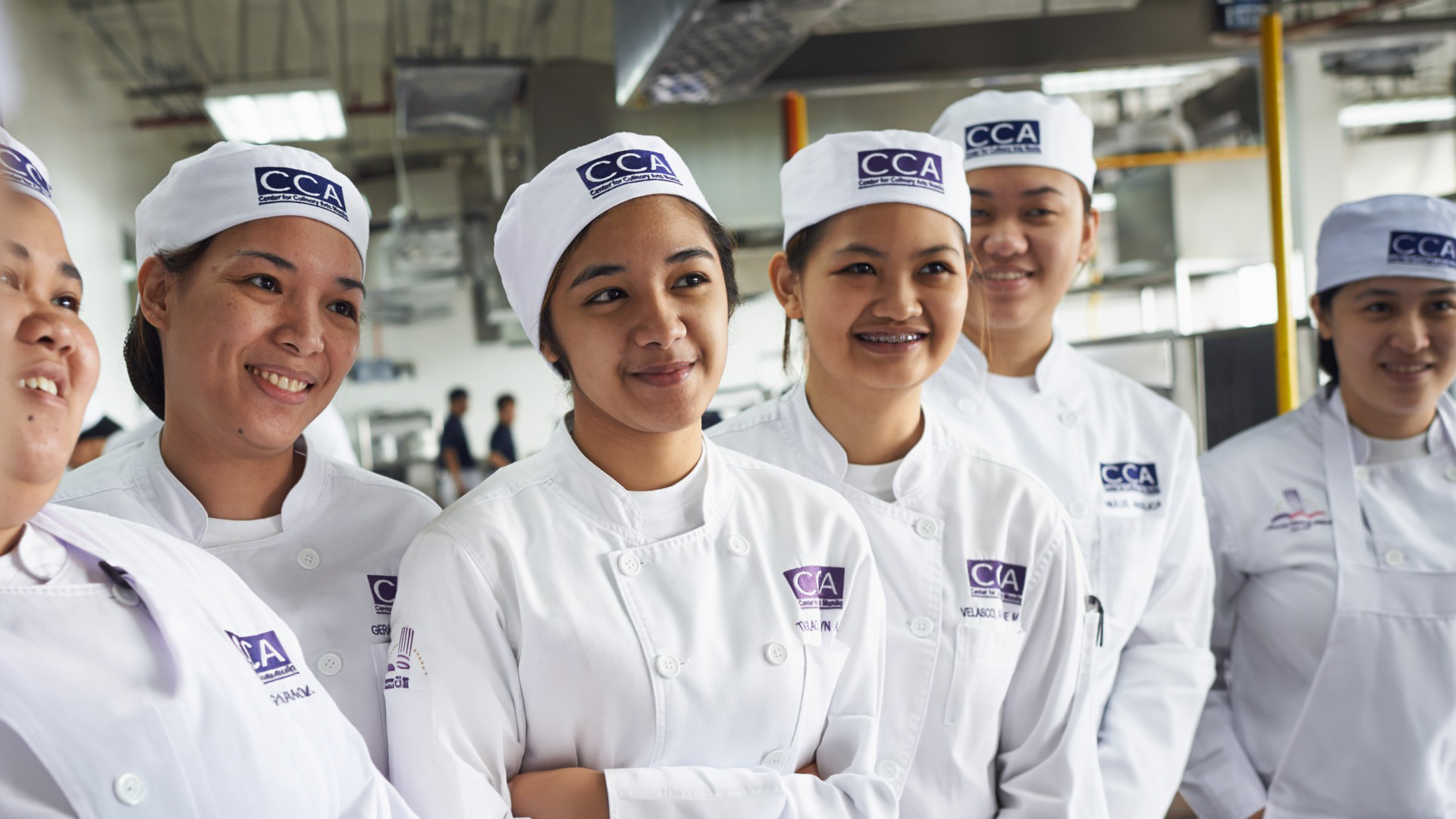

Welcome to the Center for Culinary Arts, Manila
Turn Your Culinary Dreams Into Reality
Whether you want to lead a kitchen, open a restaurant, or launch a food business—CCA Manila gives you the skills, connections, and confidence to make it happen.
First internationally
accredited culinary school in the Philippines (ACF)
Industry Aligned
Enhance communication and teamwork with integrated tools.
8,000+ Alumni
working worldwide in hotels, restos, airlines, cruise ships
Career support
internships, job placement, entrepreneur mentoring
Real training for your real culinary dreams
The culinary world doesn't sugarcoat reality—and neither do we. Your dream deserves more than wishful thinking. Here's how CCA turns culinary dreams into careers:
01
Facilities
Professional-grade facilities
Train in kitchens built to industry standards—not classroom demos.
02
Mentors
Mentors who've been there
Learn from chef-instructors with proven track records in luxury hospitality, restaurant management, and culinary entrepreneurship.
03
Network
Proven placement network
Our graduates work in Manila's top restaurants, international hotels, cruise lines, and successful food businesses.
04
Quality
Filipino excellence, global standards
Honor your heritage while mastering international techniques that open doors anywhere.
05
Launch
Business-minded approach
Whether you want to climb the chef ladder or launch your own venture, we teach you both craft and commerce.
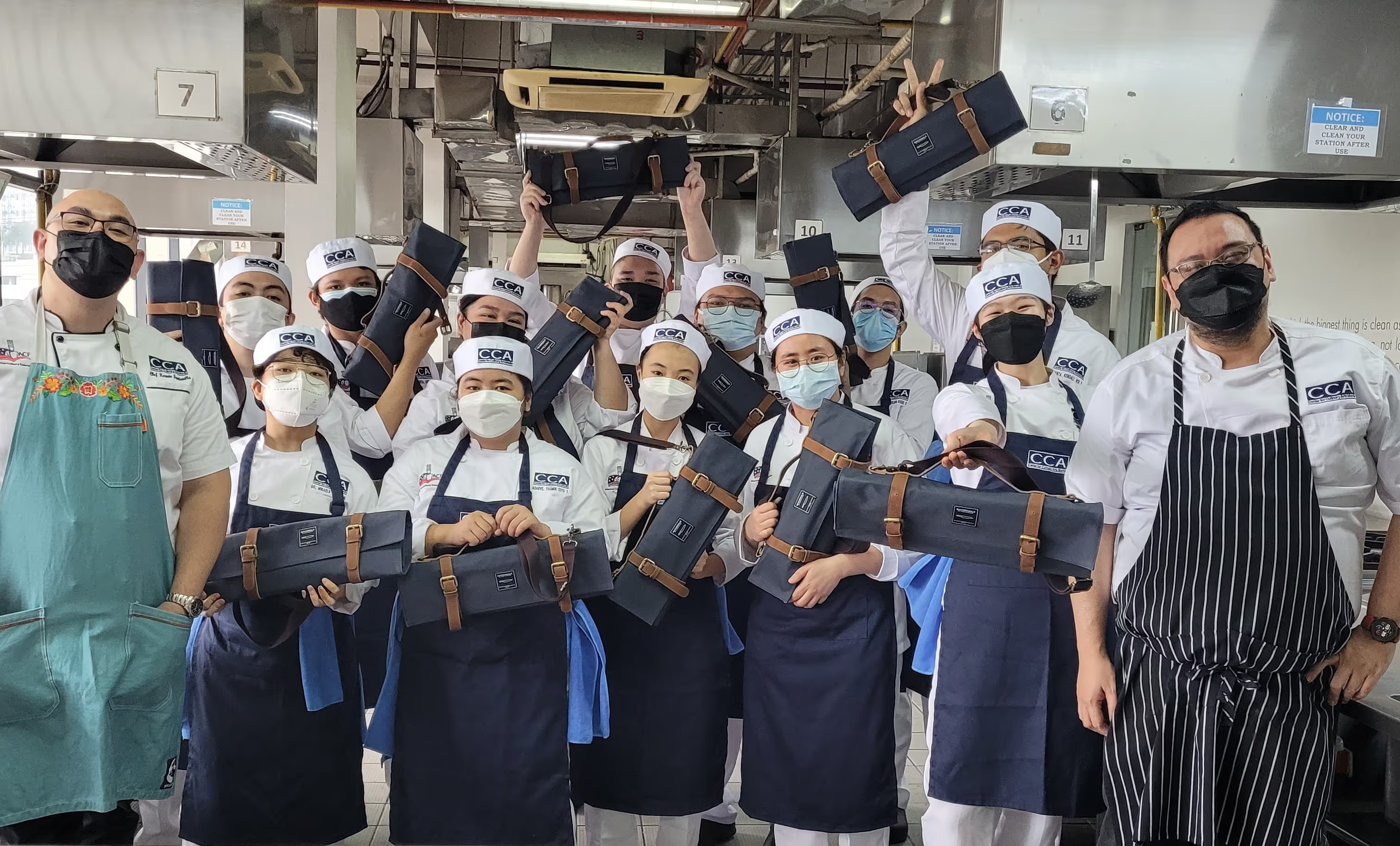
For Career Launchers
Diploma in Culinary Arts & Technology Management
Complete culinary education: knife skills to kitchen management to food business fundamentals.
What's Included
- Duration: 2 years full-time
- Best for: High school graduates, serious career changers
- Includes: Industry internships, job placement support

For Working Professionals
Certificate Programs
Build job-ready skills around your current schedule.
What's Included
- Duration: 6 months, part-time
- Best for: Career switchers, returning OFWs
- Focus: Immediate employment skills
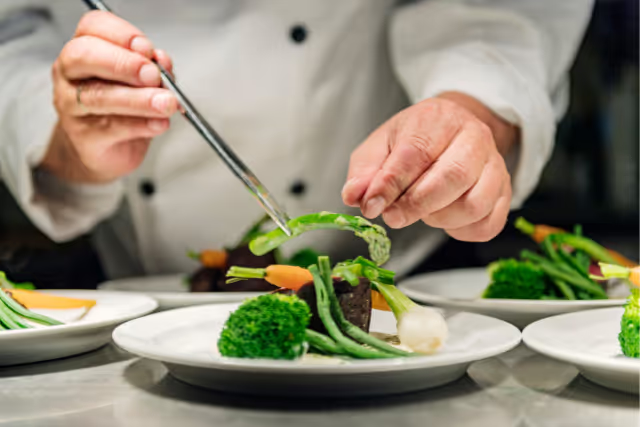
For Entrepreneurs & Skill-Builders
Intensive Short Courses
Master specific techniques or test your culinary interest.
What's Included
- Duration: 2 weeks to 3 months
- Best for: Food business owners, cooking enthusiasts
- Options: Baking fundamentals, specialized cuisines, entrepreneurship courses
Not sure which path fits?
92% Employment Rate
within 6 months of graduation*
Alumni in 25+ countries
across hospitality and food industries
75% salary increase
average for career switchers*
*Based on 2023-2024 graduate survey data
Where our graduates work
Shangri-La
Marriott
Celebrity Cruises
"I didn’t have to think twice when enrollment for CCA Manila opened up. The recipes they give are flawless and the end result is always outrageously good. The CCA Library has been extremely helpful as well, extending the books I need immediately after I seek it out."

Cheryl Del Prado
Why I enrolled in Baking Club?
"Joined their online weekly baking class last August. Despite not being in a traditional classroom set up, the admin and Chef Dahlia were quick to respond and help out. Had a fun time learning new recipes and meeting other people who are also interested in baking."

Briana Christelle Ong
Why is it worth it to pursue Baking Club even if it is online?
"Thank you, CCA for making this online baking class possible, even though I am thousands of miles away and there’s a time difference. I was able to have this connection with my fellow bakers, have fun in the process, and enjoyed this class."

Maria Sharon
What I got that I was not expecting?
"For someone who doesn’t have any knowledge in baking, I find this program very helpful. Chef Dahlia was nothing but helpful and very generous in sharing her expertise with us. She makes sure to check on every one of us and assess if we are able to follow her instructions."

Michelle Lluz
How I describe CCA Baking Club program, Instructor, and other support staff?
"Joining your community has been enriching and empowering! It was so fun to belong in a group with the same interest as we inspire and learn more together as a family, to serve good food that is both healthy, delicious and enticing. Cheers!"

Diane Castaneda
Why am I grateful to be part of CCA Baking Club?
"Learning is never ending and ever expanding. While we have access to everything on the internet, it is still very helpful to consult a chef real time and have an enriching discussion about the successes and failures of each bake. Aside from the recipes, connecting with fellow bakers in different parts of the country as well as other countries is also another bonus."

Jhie Greenwood
What motivated me to join Baking Club?
"I am a Doctor by Profession and baking is really my passion. I did not expect that I will be able to take some time during this pandemic to unleash my baking skill. Accomplishing baking club sessions despite of being busy in the field, meeting fellow aspiring bakers, and getting to know CCA Chef Instructor, Ms. Dahlia, are such a wonderful experience!"

Sally Figuerao
What I got that I was not expecting?
To gain professional knowledge in baking, learn techniques, what to prevent and how to troubleshoot. In this way I will be cost efficient when I pursue my culinary dreams.
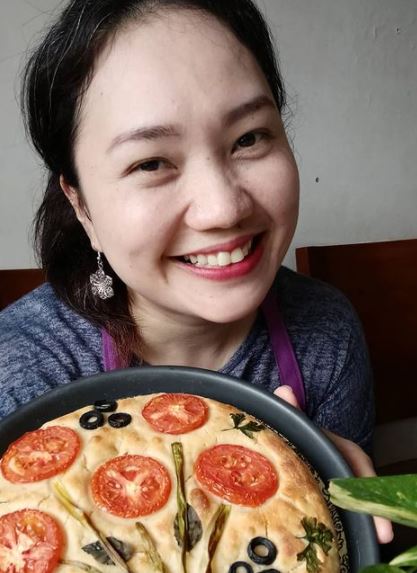
Michelle Yian
Why I enrolled in Baking Club?
"I recommend this program to baking enthusiasts and people who are planning to start their pastry business. It’s a great program where you can learn the basics of baking for personal use or for start-up businesses as well. My advice is to attend every session, listen well, take notes, don’t hesitate to ask questions and most especially, have fun!"
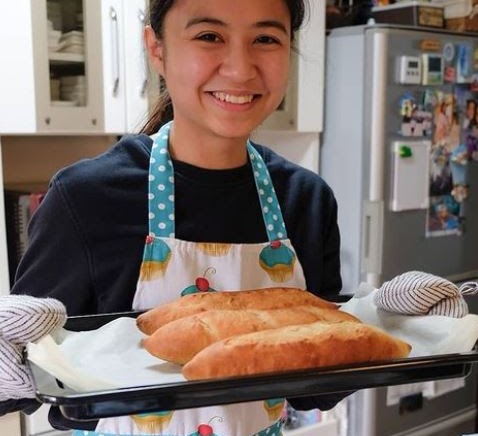
Patricia Antonio
Who would I recommend this course to and my advice for incoming fellows?
"I love everything about CCA. They’re all accommodating and friendly even when we already graduated. It feels like we are a family even though we cant see each other at the moment because of the pandemic we built a connection through online and I've never experienced it before with my previous school/university."

Krixia Maliksi
How I describe CCA Baking Club program, Instructor, and other support staff?
"I just graduated from the Online Food Entrepreneur Masterclass. I learned how to do proper costing for my products with my mentor, Chef Jasper. CCA admin and Librarian are very approachable, friendly and accommodating as well. Good Job CCA 👍."
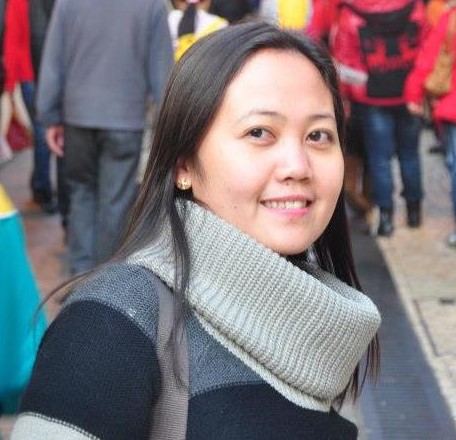
Gemma I. Babiera
Food Entrepreneurship Masterclass student
"CCA Manila has always been my dream school. I am overwhelmed with the opportunity to join their Online Food Entrepreneurship Masterclass. It helped me develop my knowledge more in the food business. Kudos to Chef Jasper Versoza for always being instructive to us in many ways. He even shared his experiences in the Culinary world. I’ve learned a lot! I am a successful young entrepreneur of Chef Ylyt Creations for 10 years of mouth-watering products in service here in South. I have picturesque plans for my culinary dreams. I’ve always wanted to enrich my understanding with professionals at the food community at-large. I always envision myself to improve my skills. I was a finalist for MasterChefAsia way back 2015. I got to experience cooking in front of Singaporean producers like in an actual MasterChef show. I even told myself that I will be back in here someday. I haven’t expected that I will be able to go back and successfully graduate from my dream school. It’s worth my time and money! Looking forward to trying other courses offered! I know this is the right path for young-chefs in the making. Thank you my CCA Manila family for this opportunity that even at home we can still learn more."

Ylyt Frixiah Y. Manaig
Food Entrepreneurship Masterclass student
It’s really such a wonderful and fulfilling experience enrolling myself in my dream culinary school CCA, Manila. In the Food Entrepreneurship Masterclass, Chef Princess doesn't just teach us the business side of Food but also shares her life lessons. Chef Princess our instructor is not just an instructor but also a mentor to us that keeps on inspiring and guiding us even after session. Kudos to Chef Princess and CCA Manila. Looking forward to enrolling again in CCA Manila on their other courses. Hopefully by that time it’s already Face to Face so I could experience the atmosphere, wearing a chef's jacket bearing CCA Logo and and definitely the sense of pride entering a prestigious school. CCA Manila. More Power And God Bless.
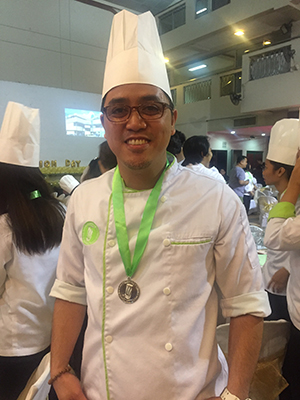
Arvin B. Castillo
Food Entrepreneurship Masterclass student
"I had a great time learning from the Food Entrepreneurship Masterclass in CCA. I learned a lot from our mentor, Chef Princess San Diego. The knowledge she imparted to us will be a great help for our future endeavours. I'm also grateful to CCA library for the generosity of sharing their e-books. God Bless CCA!"

Jenelyn A. Alvarado
Food Entrepreneurship Masterclass student
"I definitely made the right decision when I enrolled in CCA Manila's Food Entrepreneurship Masterclass. I learned so many things that I was able to use in my small pastry business. Everybody was so accommodating — answering all my questions even at the wee hours of the night. I'm also very grateful to the CCA Library for providing me all the e-books I need for pursuing further studies in the culinary/pastry world!"
Patricia Antonio
Food Entrepreneurship Masterclass student
“Being in the Cooking Club is fun and educational. speaking with professional chefs is invaluable specially for someone starting to learn how to cook. Learning to incorporate ingredients, make a dish, learning new skills and know-how give you the motivation to create and experiment new and exciting dishes.”

Annie Inciong
"Cooking runs in my blood coming from a family of great cooks. However, I did not have formal training, which is why I enrolled at CCA and joined the cooking club. And it proved to be one of the best decisions in my life. I learned techniques I wouldn’t have known otherwise. By understanding the why behind the what makes me appreciate cooking more than ever. Cooking is my love language. Seeing my family’s and friends’ reaction, hearing them exclaim with delight make me very happy. Joining the Cooking Club ties it all together. Watching Chef Jasper and Chef Ker execute seemingly intimidating recipes inspires me to give them a try. I enjoy learning together with my classmates who are equally enthusiastic. I look forward to photos of how they brought to life the recipes we are taught. Thanks to the Cooking Club for reminding me of the joy of cooking.”

Maureen De Leon Estiandan
“Our online Cooking club is one of the best activity I now enjoy this pandemic time, it is something I look forward to each week ❤️ In this class I get to practice my passion in cooking and at the same time learn new techniques and recipes every week ❤️ It changed my life because I can now cook with confidence knowing that I am guided by a professional Chef together with all the basic principles that we learned in this course ❤️”

Diane Gaddi-Castaneda
“It seems to me that CCA creates not just cooks, but chefs. They’re not just a culinary school, they’re a community with a very strong support system for their students, whether current or past. No wonder they were able to groom some of the most prominent chefs in the country and most probably, abroad too. They don’t teach purely by the book but their instructors teach selflessly and share a lot of personal knowledge and skills acquired from their vast experience and education. They take pride in their students' accomplishments and look after their growth, which I would say defines why they are the leading culinary school in the country. I was half hearted upon joining one of CCA’s programs because of my busy schedule. It was indeed an impromptu decision but I must say each and every class I have spent with them have been worth more than I expected. Couldn’t be any happier and proud to be part of this culinary family.”

Portia Vicente-Habaluyas
“A lot of my core values and knowledge as a chef and most especially, my love for food, comes from my two years of studying at CCA, Manila. I learned how to persevere in my chosen career and to never give up when faced with tough challenges. Since learning is a never-ending process, there's always something new to discover so I should never stop researching, honing my craft and innovating in the kitchen.”
.jpg)
Rosebud Benitez
Celebrity Chef Mom
“I researched for schools until I came across CCA Manila. And, I saw a couple of chefs that graduated from there. So I figured that they must have a good curriculum. That is why I decided to go down that path. It was one of the best decisions I have ever made. It gave you the basics. It gave you the confidence that you would go into any kitchen and if someone asked you to do this, you would immediately recognize what it is because of the teachings that were done in school.”
.png)
Allan Briones
Chef Tournant at the Peninsula Chicago
“My family sent me to Manila to study culinary. What my CCA family taught me was to conquer the world with my cuisine.”
.png)
JP Anglo
Celebrity Chef, Owner of Kooya Filipino Eatery, Dubai and Sarsa
“At the time I took the FBPAC at CCA, I was a fresh grad with a business course and had a passion for baking. I decided to enroll because I wanted to experience proper training in order to enhance my knowledge and skills and hopefully to be able to open a business of my own. With the help of my instructors and classmates, I can say that I am now more confident in the kitchen. As my takeaway, I did not just gain my experience, but also friends for life.”
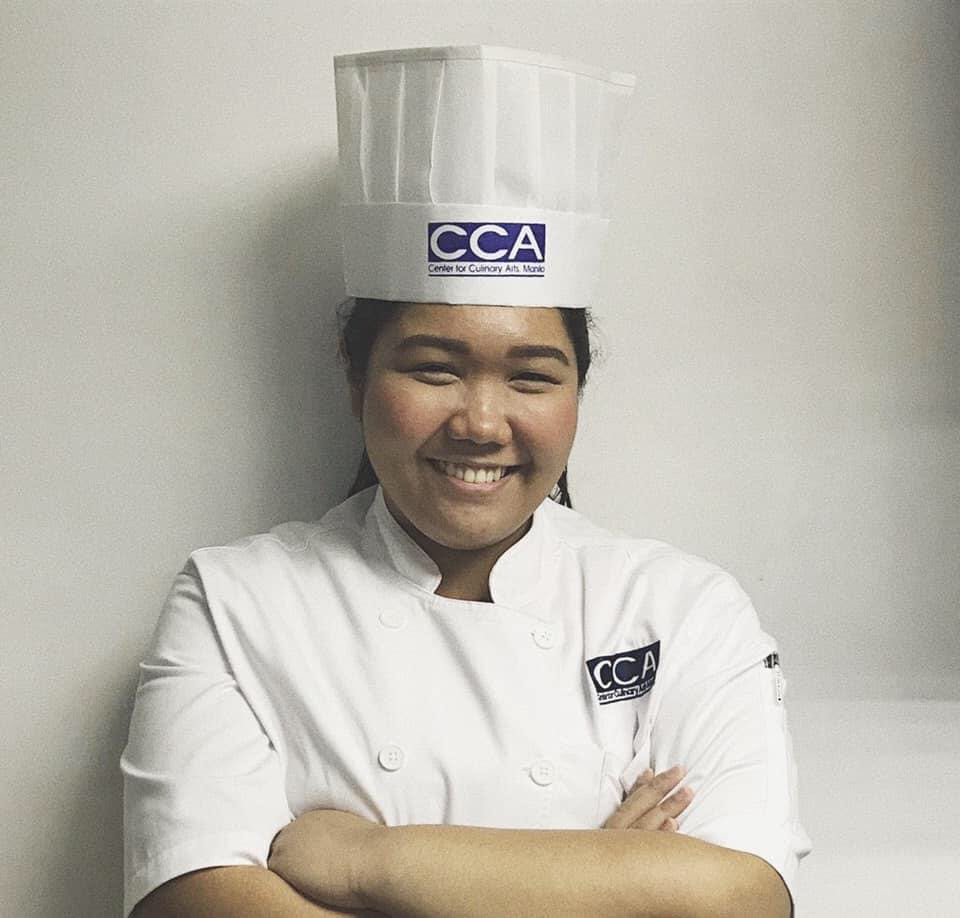
Angelica Mae Polines
Culinary Entrepreneur
“Ten years ago, my dream was to become a chef and I also have this particular school in mind where I wanted to take the course. Unfortunately, I wasn't able to pursue that dream. Instead, I became a nurse. Who would have thought after ten years while I was working, I would finish FBPAC and FCAC here at CCA Manila. The dream I already accepted that might not happen. I enjoyed FBPAC class and I found my passion which taught me not to give up on your dreams. Chef JR, honed our skills and unleashed everyone's expertise. He trained us from manual to electric use, from ideal to reality set up, and face challenges that might happen. We do not only learn how to bake or make breads and pastries, but we also learn from our classmates’ stories that inspire us and gain connections. Here in our class, every creation depicts our own personalities resulting in creative output.”

Nikka Mendoza
Nurse & Entrepreneur
“Back in 2010, I was looking for a culinary school because I really want to learn and want to work in prestigious hotels and cruise ships. But CCA is such an expensive academy and I cannot afford it. So I took it somewhere else and made it to my dream job. For me, CCA will always be a dream, and when I found out that they offer short courses including baking and pastry I said to myself, CCA and Av are meant to be. Thank you for giving chances to people like me who will never get tired of dreaming and pursuing it. It’s never too late to dream a new dream.”

Avon Lanuza
Student & Chef
“It has always been in my bucket list to learn baking but being intimidated by the idea that in order to be good at it, one must be precise and dedicated. I never really got my head around pursuing it. But this year, I promised myself that I will do things that intimidates or scares me. I promised myself that I will learn new things and try to go out of my comfort zone. So, I enrolled and had the best time of my life. I felt like a kid again learning a new skill. It made me feel good that I was enriching myself with new knowledge and also gaining new friends in the process.”

Bea Alonzo
Celebrity & Entrepreneur
“My family sent me to CCA in order to codify my culinary knowledge, and I did; praise God. Along my journey with my CCA Family, I acquired relentless discipline in the midst of pressure as I set each dish to the pass with joy.”
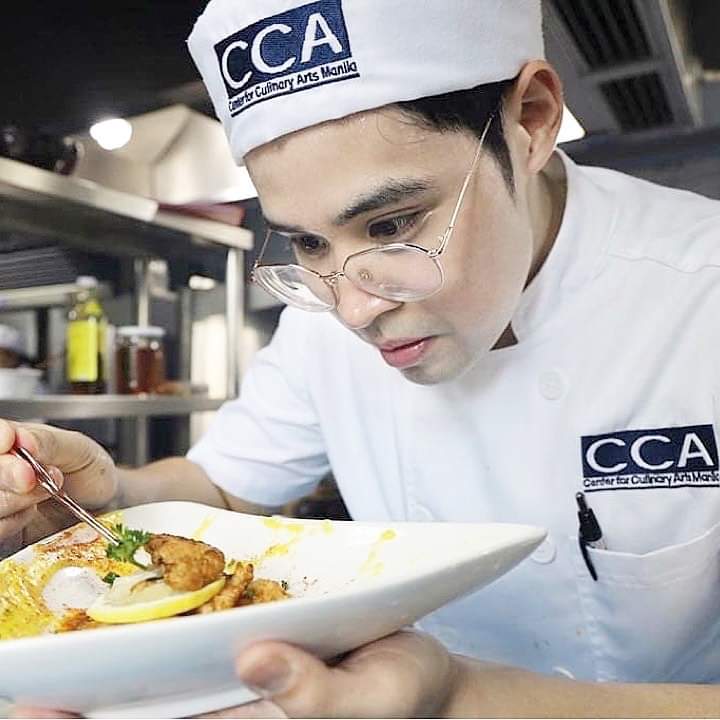
Lyle Lopez
Celebrity
“It has always been my childhood dream to be part of the culinary world someday. I took it as an investment, worked hard and saved for myself for it. I looked for many institutions that could suffice the satisfaction of pursuing this passion, and am so grateful that CCA Manila could provide the sessions I exactly wanted; different cuisines around the world plus they offer Saturday sessions that perfectly fits my schedule as a full time employee. The location could be a bit far from my home, but I did not mind because it was the only school that sparked joy for me in the first place. They provide all the ingredients needed throughout the sessions plus we get to have a takeaway book for all the sessions we covered. Chefs were cool and all accommodating, inside and outside class hours. They have the art of creativity and humility. This experience gave me also the confidence to start online, our family's lasagna business, using my recipe, as we named it Matz Kitchen. My FCAC experience in CCA could be short but all memorable and worth it as I get to learn good values and execute different techniques and recipes that I get to serve my family and other people. With good food, it’s always a good mood. Thank you CCA for fulfilling my culinary dream.”

Karla Matienzo
Entrepreneur
“Before enrolling in CCA, I would often bake at home. I enjoyed being in the kitchen. However, I was tentative in cooking. I was not confident in holding the knife and experimenting with the ingredients that I had. The only thing I cooked before was steak because of all the MasterChef episodes I watched. I would always just stick to the recipe. Enrolling into CCA’s FCAC helped me become more confident in myself. I am more relaxed and confident in the kitchen and I’ve become more accustomed to experimenting and not strictly conforming to the recipe. I would now cook for meals for my family. CCA has taught me a lot of things and I am excited for more things to come.”

Riana Jasmin Fuentes
Student
“I think that chefs are so celebrated in the industry and rightfully so – it takes such hard work to make exceptional food! However, the farmers should also be put in an equal pedestal because without them, there won’t be food to process and cook and experiment with, in the first place. Our farmers not only bring food to the plate but make sure that what we eat is safe and nutritious. It is truly a career and profession that must equally be aspired to! It’s awesome that CCA has recognized the importance of this area in the food industry and has put up a program that can empower future leaders, movers and shakers who can be in the position to change the game and uplift the agriculture industry in our country.”

Nikki Quilicot
Current Student
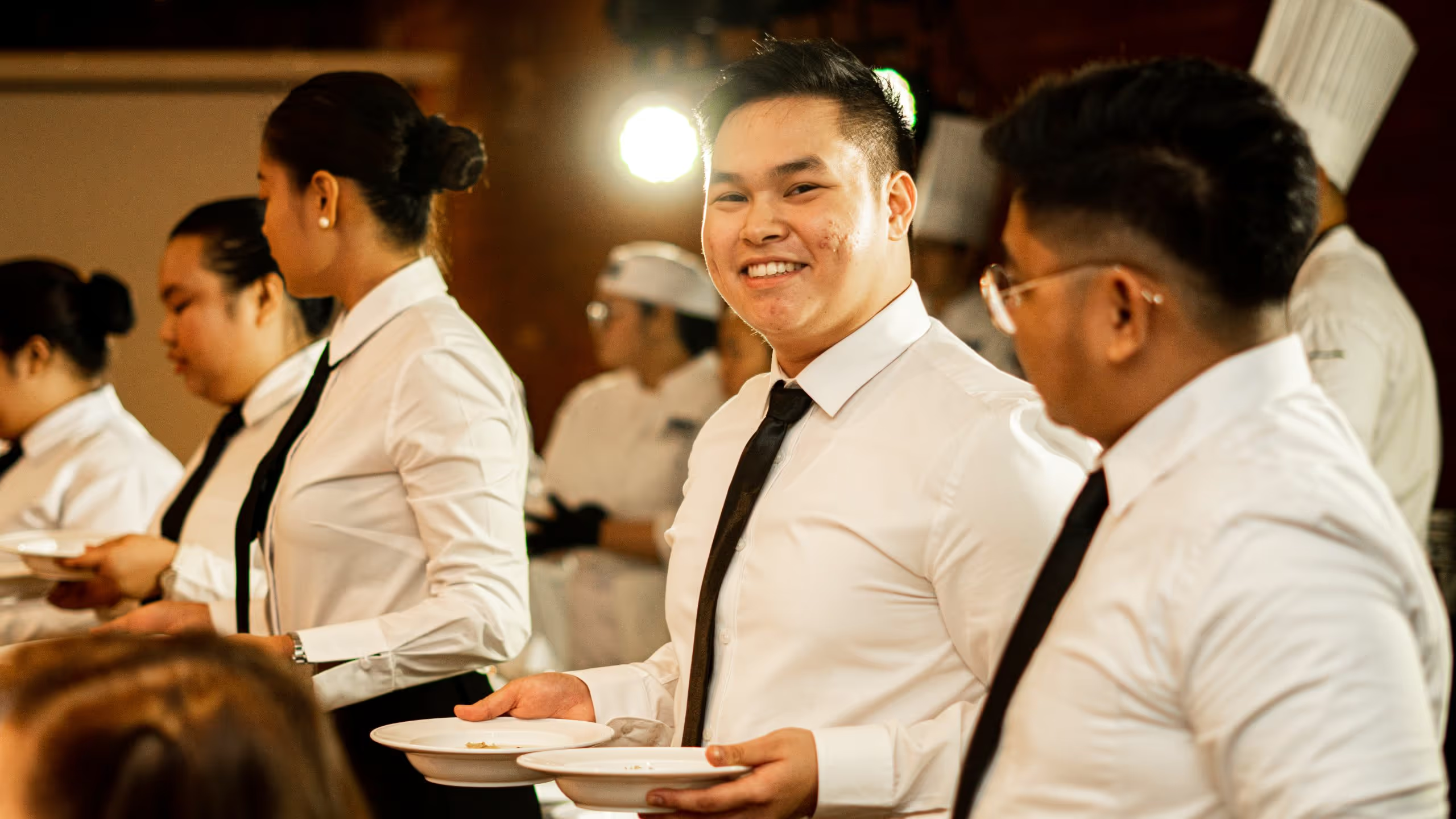
International Pathways
Unlock your potential with a tailored roadmap to success. Our experts work closely with you to develop actionable strategies.
Paid internships in USA, Europe, Australia
Cruise line partnerships with performance-based contracts
Hotel placement programs across Asia-Pacific
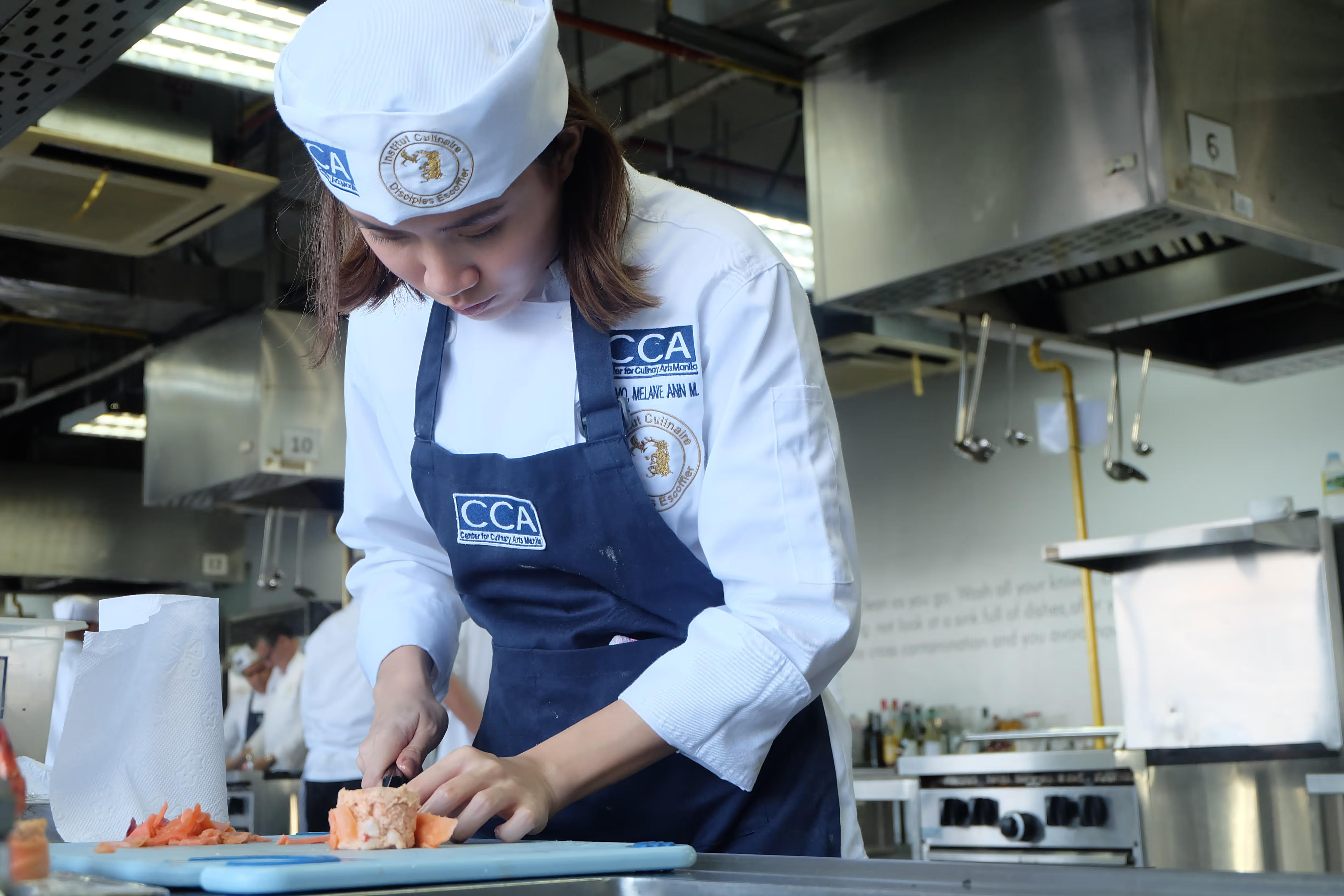
Local Opportunities
Direct partnerships with Manila's top restaurants
Catering business incubation
Pop-up market support and mentorship
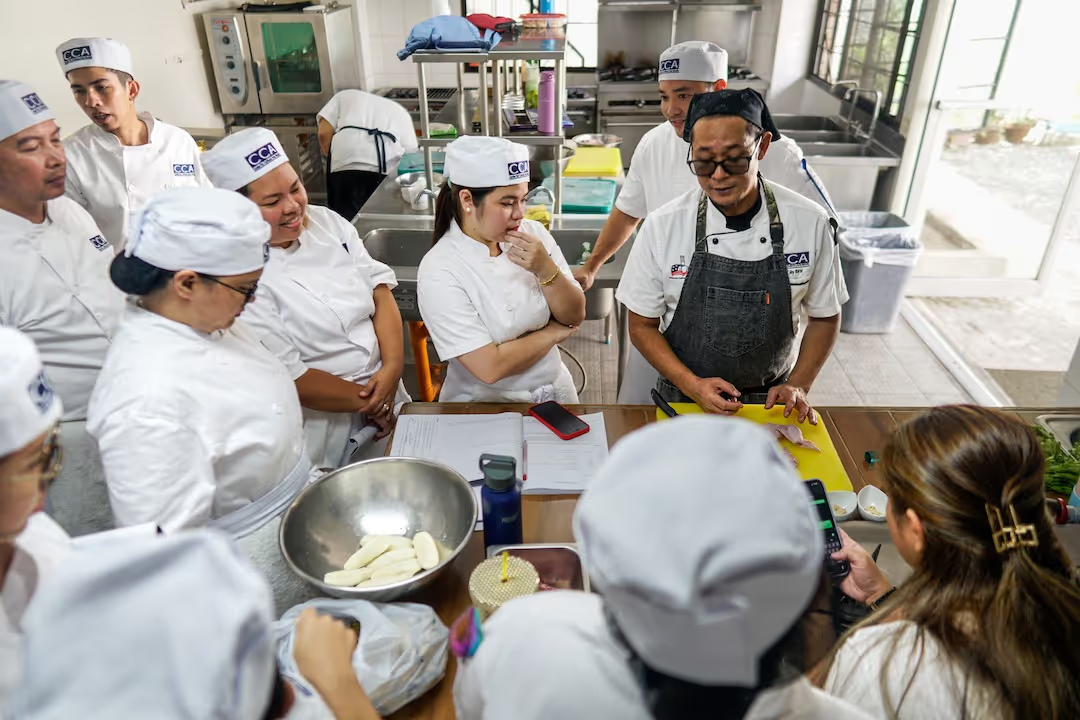
Entrepreneur Support
Business plan development
Costing and menu engineering
Marketing and branding guidance
Investor connection events
Events and Intakes
See what we're about.
Fundamentals in Baking and Pastry Arts Course (FBPAC)

Join next intake
April 11, 2026
UP BGC
Fundamentals in Baking and Pastry Arts Course (FBPAC)
Join next intake
April 11, 2026
Quezon City
Fundamentals in Culinary Arts Course (FCAC)
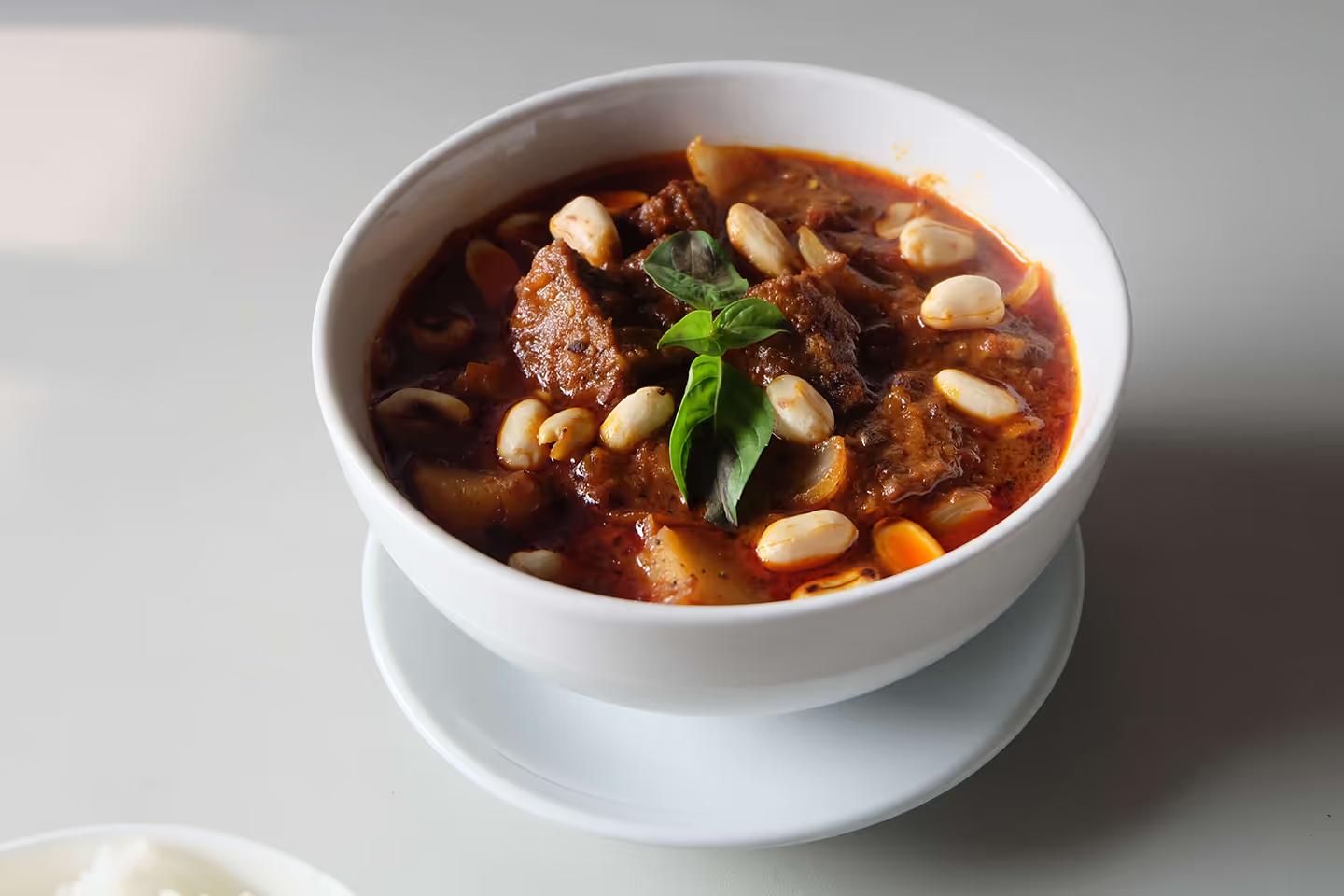
Join next intake
April 11, 2026
UP BGC
Fundamentals in Culinary Arts Course (FCAC)
Join next intake
April 11, 2026
Quezon City
Diploma in Culinary Arts and Technology Management (DCATM)

Join next intake
April 13, 2026
UP BGC
Fundamentals in Baking and Pastry Arts Course (FBPAC)
Join next intake
April 13, 2026
Quezon City
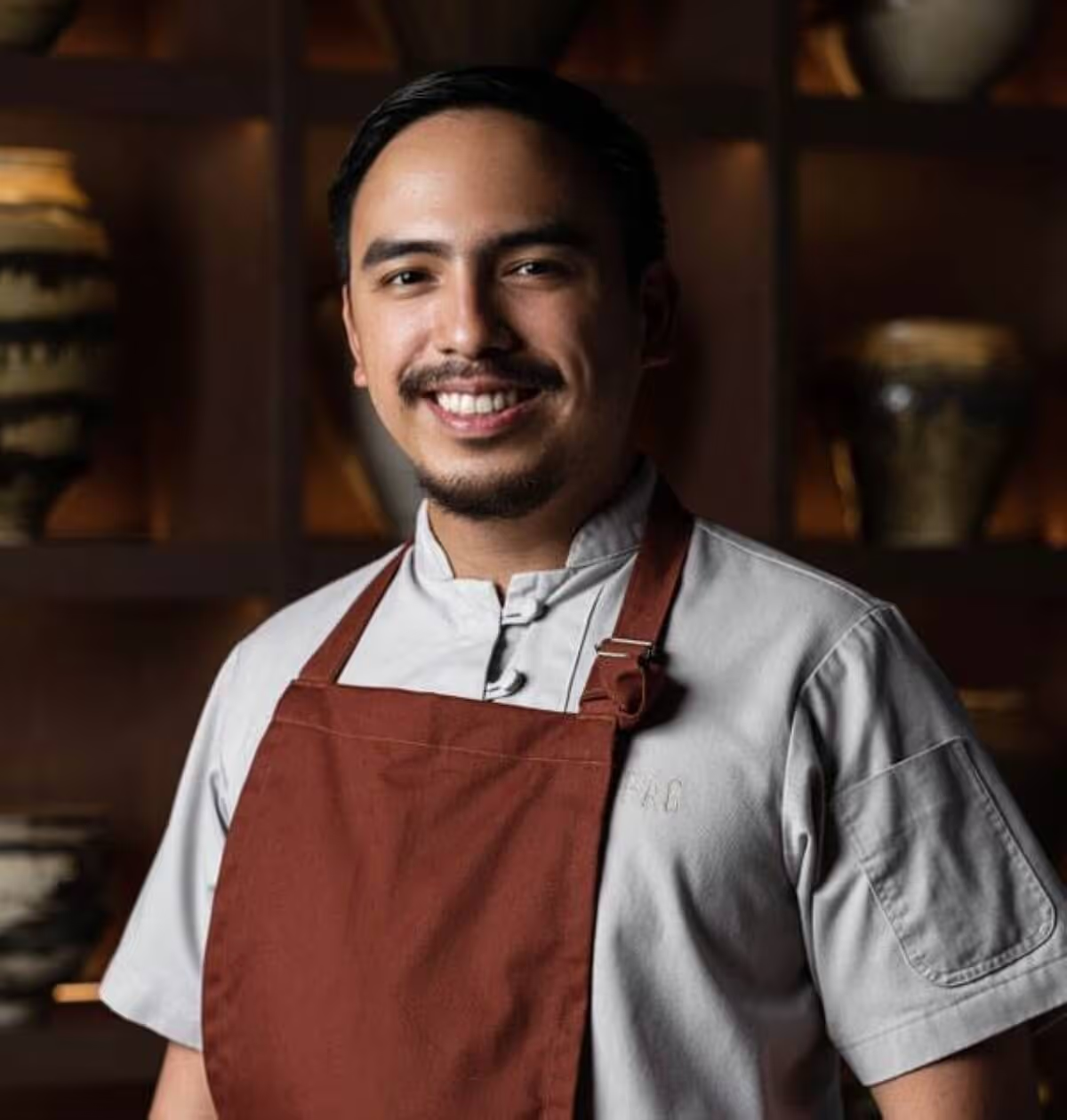

A Chat with Chef Rochelle Uy-Rylewski, Sous Chef at Pullman Cairns International

Fulfilling Culinary Dreams: An Exclusive Q&A with Chef Nadine Howell
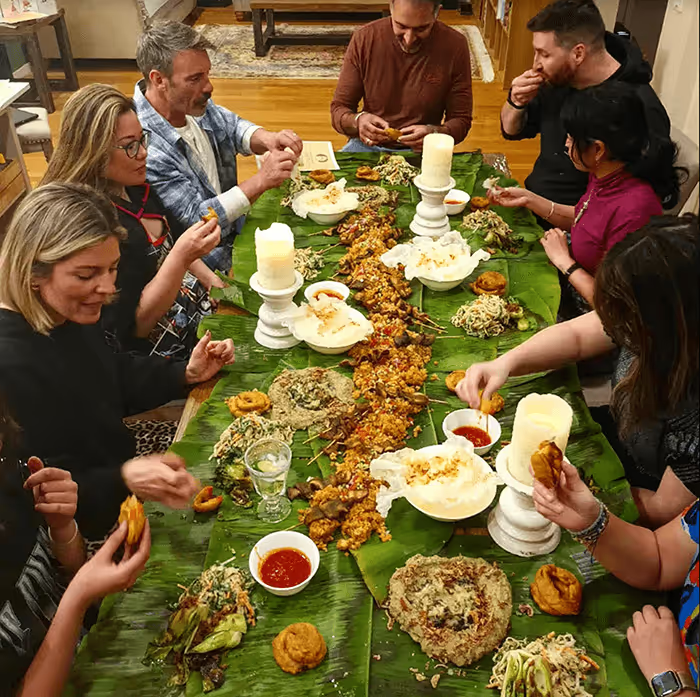

La Kalidad: How This Bakery In San Francisco Bay Area Is Introducing Filipino Flavors to Americans
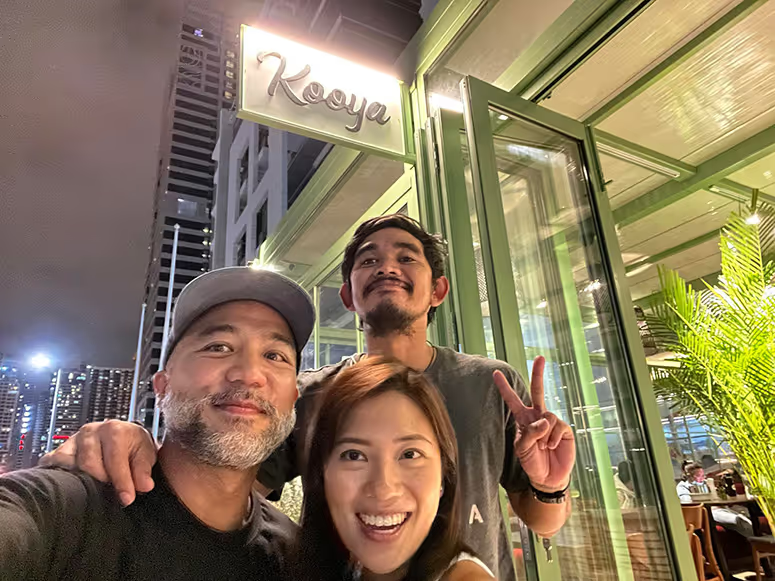
Chef JP Anglo opens ‘Kooya’ in Dubai: ‘Our food is always evolving and inclusive’
Ready to Start?
Your dream deserves a professional foundation.
Whether your culinary dream is crystal clear or just beginning to take shape, let's discuss how CCA Manila can help you achieve it.
.jpg)
.jpg)

.jpg)
.jpg)
.jpg)