Many aspiring chefs assume culinary programs focus on following recipes. While recipes matter, they are just one part of the learning process. Programs like the Fundamentals in Culinary Arts at CCA Manila teach principles that form the foundation of professional cooking. These principles guide students to understand the deeper aspects of flavor, precision, and kitchen habits.
What may seem like simple exercises are opportunities to develop skills crucial for professional growth. Group tastings and chef feedback at the end of each class reinforce learning and encourage reflection and continuous improvement.
Let’s uncover the essential lessons hidden within the Fundamentals in Culinary Arts and see how each practice, technique, and tasting shapes aspiring chefs into skilled and versatile professionals.
Building a Strong Foundation in Culinary Arts
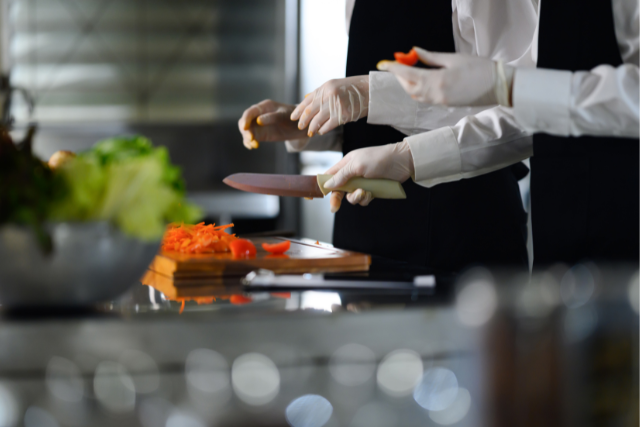
One of the most valuable lessons in the Fundamentals in Culinary Arts is the importance of mastering basic skills. Many culinary courses emphasize advanced techniques from the start, which can overwhelm students. This course prioritizes essential cooking skills, food safety, sanitation, and knife handling. These elements are not only requirements but also the backbone of professional kitchen work.
By focusing on these fundamentals, students gain skills that allow them to explore more complex techniques. Mastery of foundational skills enables participants to execute dishes, adapt to challenges, and understand the reasoning behind each method. These lessons are subtle but critical as they transform routine cooking into deliberate and thoughtful practice.
Precision and Technique in Cooking Methods
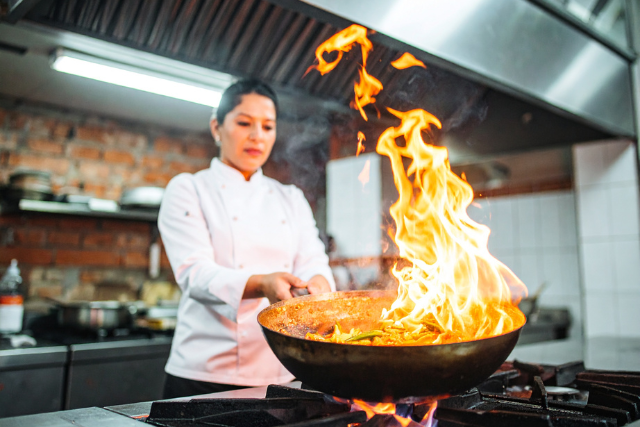
Another important lesson is the significance of cooking methods. Students begin with basic techniques such as boiling, roasting, braising, and sautéing, then progress to advanced methods that require careful timing, temperature control, and ingredient knowledge. The goal is not only to teach execution but also to show why each method produces specific textures, flavors, and aromas.
Understanding the reasoning behind cooking methods allows students to predict outcomes, troubleshoot issues, and adjust recipes intelligently. This foundational knowledge is what distinguishes competent cooks from professional chefs.
Palate Development and Taste Awareness
A refined palate is an essential skill developed in the Fundamentals in Culinary Arts. Technical skills are important, but the ability to taste, evaluate, and adjust flavors is equally crucial. Structured tasting sessions help students identify subtle differences, balance seasonings, and appreciate the harmony of textures.
Feedback from chef instructors during these sessions encourages self-reflection and critical thinking. Developing taste awareness allows students to create dishes that are nuanced, balanced, and consistently excellent across different cuisines.
Exploring International Cuisines
Exposure to global culinary traditions is another key aspect of the course. Students explore Filipino, Chinese, Japanese, Korean, Thai, Vietnamese, Malaysian, Indonesian, Indian, Mediterranean, American, French, and Italian cuisines. These lessons go beyond teaching recipes to reveal cultural approaches to flavor, technique, and presentation.
Applying foundational skills across diverse cuisines teaches adaptability, creativity, and problem-solving. The key takeaway is that true culinary versatility comes from understanding principles that can be applied to any cuisine rather than memorizing recipes. This prepares students to work effectively in professional kitchens.
Teamwork and Kitchen Dynamics
Teamwork is a critical component of culinary education. Professional kitchens rely on collaboration, and the Fundamentals in Culinary Arts emphasizes this through group exercises. Students learn to communicate clearly, manage time effectively, and coordinate tasks. They also develop skills in organizing workstations, anticipating team needs, and adapting to unexpected challenges.
These lessons go beyond cooking. They build professional habits, leadership skills, and the ability to work under pressure. Understanding kitchen dynamics is an essential part of professional growth.
From Theory to Practical Mastery
The course integrates theory with hands-on practice. Concepts such as ingredient interactions, food science, and flavor balance are reinforced through practical exercises. Students see how timing, technique, and temperature influence the final dish.
Chef critiques create a feedback loop that encourages reflection and iterative improvement. Students learn to analyze mistakes, make informed adjustments, and internalize skills, supporting long-term growth and preparing them for professional culinary environments.
Career Pathways in Culinary Arts
Enrolling in this culinary school opens a wide range of career opportunities for those seeking to establish themselves in the culinary industry. By combining technical skills with professional habits and practical thinking, the course prepares graduates to take on diverse roles in kitchens, food service, and related fields.
Students who complete the program gain skills that make them strong candidates for positions such as:
- Line Cooks and Station Chefs – Execute dishes efficiently, maintain consistency, and support kitchen operations in restaurants, hotels, or catering services.
- Pastry Assistants and Bakers – Apply foundational baking and dessert techniques to produce high-quality pastries and baked goods.
- Culinary Supervisors and Team Leads – Use teamwork, communication, and organizational skills to coordinate kitchen staff and manage workflow.
- Food Entrepreneurs – Leverage practical cooking experience and knowledge of kitchen management to launch small food businesses, cafés, or catering services.
- Specialized Culinary Roles – Build on core skills to pursue careers in international cuisine, dietary-specific cooking, or advanced culinary arts.
Unlock the Essential Lessons in Culinary Arts at CCA Manila!
At CCA Manila, we guide students to discover the essential lessons in the Fundamentals in Culinary Arts through hands-on training, mentorship from expert chefs, and exposure to diverse cuisines.
Our programs help students build strong foundational skills, refine their palate, and develop professional habits that set them apart in the competitive culinary field.
With us, you can shape your own culinary identity, gain confidence in the kitchen, and prepare for a successful career in culinary arts. Enroll in this course today and become that skilled, creative, and professional chef.
