Cooking Lessons for Special Diets: Gluten-Free, Dairy-Free & More


Learn to cook delicious and healthy meals for special diets like gluten-free, dairy-free, vegan, and low-carb. Enroll in specialized cooking classes at CCA Manila to master techniques, ingredient swaps, and creative recipes.
Navigating the world of cooking can be thrilling, especially when diving into special diets. Whether it’s gluten-free, dairy-free, vegan, or low-carb, cooking to accommodate specific dietary needs is an art form in itself. Fortunately, schools like CCA Manila and other culinary arts programs now offer specialized cooking lessons to help budding chefs master the essentials of these unique diets.
Let’s explore the key aspects and benefits of culinary programs made for special diets and see how they support inclusivity, health, and creativity.
Understanding the Need for Specialized Cooking Classes
Special diets are more than a trend—they’re a lifestyle choice or necessity for many. Understanding dietary needs, from allergies to ethical choices, is crucial in today’s kitchens. This is where specialized cooking classes come into play, offering more than just basic skills. These culinary courses teach how to substitute ingredients, adapt traditional recipes, and work with specialized ingredients, making them an invaluable resource for anyone looking to expand their culinary knowledge.
Cooking for special diets can feel like a fun culinary adventure. With a few essential skills, you can whip up meals that are just as tasty and satisfying, even with dietary restrictions.
Key Techniques for Special Diets
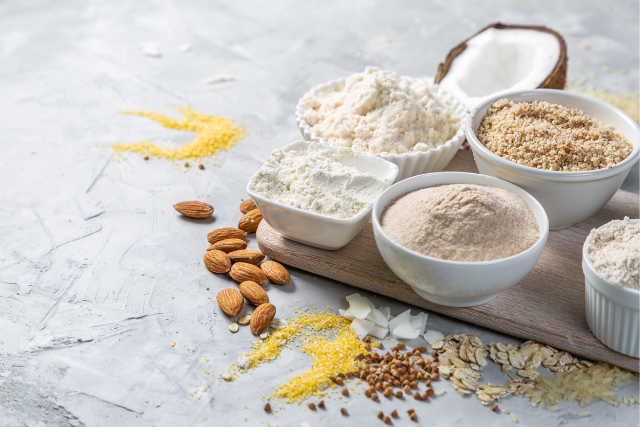
Smart Ingredient Swaps:
For gluten-free recipes, familiarize yourself with flours like almond and coconut. They behave differently from regular flour, but they open up new possibilities for flavor and texture.
Dairy-free cooking calls for creative replacements, like almond or coconut milk, to keep that creamy richness. Vegan cheeses are another great option that can add a cheesy touch.
Perfecting Texture:
Gluten-free baking, for example, requires a few extra tricks to get the right texture. Ingredients like xanthan gum bind things together, making those cookies or bread just as delicious as the originals.
Flavors that Shine:
Seasoning becomes your best friend when working without some of the usual ingredients. Extra herbs, spices, or even a dash of nutritional yeast can make plant-based dishes savory and satisfying.
Building Confidence in the Kitchen with Cooking Lessons
Whether you’re interested in learning about special diets, building a strong foundation in cooking techniques, or feeling more comfortable in the kitchen, culinary art lessons are here to help. Here’s a friendly look at what you can expect to gain:
Adaptability with Recipes
Cooking lessons encourage you to see recipes as adaptable guides rather than rigid instructions. You’ll learn how to adjust and modify recipes confidently, allowing you to make thoughtful substitutions for different dietary needs without compromising flavor or quality. This flexibility is especially valuable for creating dishes that can be enjoyed by various guests, no matter their dietary restrictions.
With time, you’ll develop the creativity to turn any recipe into a personalized, diet-friendly meal, using techniques that make each dish as appealing as it is accessible.
Nutritional Understanding
Culinary classes go beyond the cooking process to explore the nutritional benefits of food, showing you how each ingredient impacts health and well-being. You’ll learn to create balanced meals that taste great and meet specific health requirements.
An in-depth understanding of nutrition enables you to design dishes that support various wellness goals, from energy-boosting breakfasts to heart-healthy dinners. By focusing on taste and nutrition, you’ll build an invaluable skill set in today’s health-conscious world.
Creativity in Meal Prep
Special diets might seem limiting initially, but culinary classes show you how they can spark creativity instead. You’ll be encouraged to experiment with flavors, textures, and colors to make every meal exciting, whether you’re cooking vegan, gluten-free, or low-sodium.
This experience helps you see dietary guidelines not as restrictions but as an opportunity to innovate. You’ll learn how to make beautiful and delicious meals, proving that special diets can be anything but boring.
Focus on Allergen Safety
An essential part of culinary education is learning how to prepare food safely for those with allergies. Culinary classes emphasize allergen management and teaching practices to prevent cross-contamination and ensure allergen-free preparation.
You’ll develop a solid understanding of how to keep a kitchen safe for everyone, showing that you’re committed to thoughtful, inclusive cooking. This knowledge is especially important in professional kitchens where allergen safety is essential to serving diverse groups of people.
Sustainability and Food Waste Reduction
With so much focus on sustainability, culinary programs teach you to get the most from every ingredient. From using veggie scraps in broth to repurposing leftovers, you’ll pick up habits that reduce waste and make you a more mindful cook. You’ll feel good knowing you’re cooking delicious food and doing your part for the planet.
Food Presentation Techniques for Unique Dishes
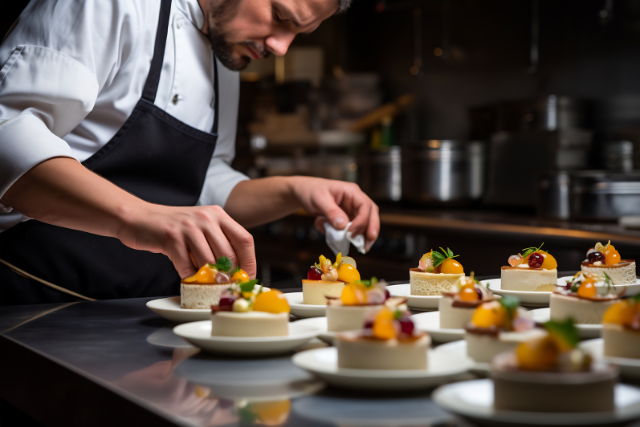
Cooking for special diets doesn’t mean skimping on presentation. In culinary school, you’ll learn how to plate dairy-free, gluten-free, and plant-based dishes beautifully, making them as visually appealing as delicious. Even simple dietary dishes become impressive and delicious with a few presentation tricks.
Real-Life Applications
Many culinary arts schools, including CCA Manila, go beyond the classroom to give students valuable real-world experience. Internships and hands-on practice in commercial kitchens allow you to apply what you’ve learned professionally. This exposure builds adaptability, enabling you to work confidently with various dietary needs and preferences.
Through direct interaction with dietary restrictions and specialized ingredients, you develop the skills and flexibility needed to tackle culinary challenges head-on. The practical training is a crucial step in preparing you for a rewarding career, equipping you to excel in a range of kitchen environments, from restaurants to catering and beyond.
Enroll Today and Transform Your Cooking Skills for Special Diets!

Cooking for special diets is more than a useful skill—it’s a way to bring joy and inclusivity to every plate. With lessons designed for gluten-free, dairy-free, vegan, and other dietary needs, our specialized courses in cooking can help you master this important area of the culinary arts. Top programs, like those at the Center for Culinary Arts – Manila, offer more than recipes. You’ll get hands-on practice, creative ingredient swaps, and access to tools that make cooking for special diets both exciting and satisfying.
Our classes go beyond technique, sparking creativity and showing you how to adapt classic dishes for modern dietary preferences. From whipping gluten-free pastries with the perfect texture to crafting a dairy-free Alfredo sauce that’s just as creamy, these lessons are designed to push your culinary skills to new heights. Plus, you’ll learn from seasoned chefs who know the ins and outs of dietary adjustments, making it easy to understand real-world tips and tricks.
Take the step today and enroll in a culinary course for special diets. Join a community of passionate cooks, learn from experienced chefs, and equip yourself with the skills to thrive in a fast-paced and inclusive culinary landscape. Embrace the future of cooking and make every dish a masterpiece, no matter the dietary need!
Explore Our Related Stories
What Makes the Diploma in Culinary Arts & Technology Management Different from a Traditional Culinary Course?

The Essential Lessons Hidden in the Fundamentals in Culinary Arts
