
The hospitality industry demands a combination of technical culinary expertise and practical business knowledge. Success in this field requires preparing exceptional dishes while also understanding kitchen operations, managing staff, planning menus, and making strategic decisions. Professionals who can balance creativity with operational efficiency are highly sought after in restaurants, hotels, resorts, and other hospitality establishments worldwide.
The Diploma in Culinary Arts and Technology Management at CCA Manila equips students with the skills and knowledge needed to thrive in these dynamic environments by helping them handle the challenges of professional kitchens, manage teams effectively, and make informed business decisions while maintaining high culinary standards.
In the sections that follow, we’ll look at how the Diploma in Culinary Arts & Technology Management prepares graduates for global hospitality careers and highlight the key skills and knowledge students will acquire throughout the program.
Building Culinary Expertise and Management Skills
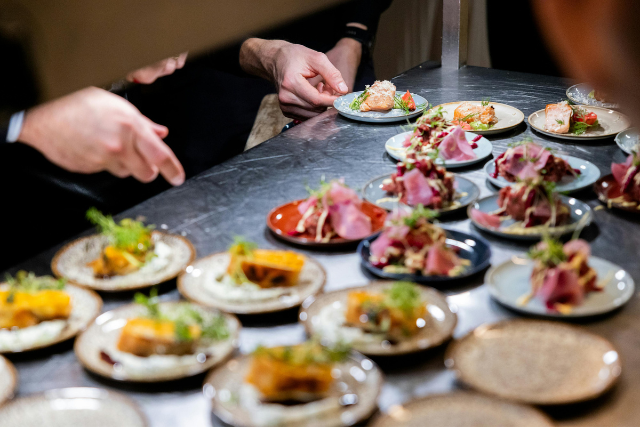
The Diploma in Culnary Arts and Technology Management blends hands-on culinary experience with business management education. The program develops skills in fundamental and advanced culinary techniques, knife skills and food safety protocols, sustainable cooking practices and green chefmanship, restaurant operations and food service management, and regional Filipino and international cuisines. This integrated approach prepares participants for both operational and leadership roles in professional kitchens.
Practical Experience
Hands-on experience is central to the diploma. Activities such as student-led dining events, catering projects, culinary tours, and industry gatherings simulate professional kitchen operations. These experiences foster time management, coordination, and problem-solving skills in real-world scenarios.
Participants gain familiarity with the demands of professional kitchens, learning to work efficiently, manage teams, and maintain consistent quality under varying circumstances.
Global Culinary Perspective
The hospitality field often requires working in diverse cultural and culinary contexts. The program emphasizes exposure to Filipino and international cuisines, providing an understanding of different flavor profiles, techniques, and presentation standards.
This international perspective equips graduates to pursue careers in fine dining restaurants, luxury hotels, cruise lines, and multinational food service operations. Experience with multiple culinary traditions develops versatility and adaptability, essential traits for success in global hospitality environments.
Managerial and Entrepreneurial Skills
The diploma emphasizes managerial and entrepreneurial competencies. Graduates gain the ability to plan kitchen operations, coordinate staff, manage resources, and maintain quality standards, all of which are essential for running professional kitchens efficiently.
Entrepreneurial training covers business planning, budgeting, marketing, and operational strategy. This prepares graduates to manage culinary ventures successfully, combining culinary expertise with practical business knowledge.
Sustainable Practices
Sustainability is increasingly important in modern culinary operations and in a Culnary Arts and Technology Management school. The curriculum incorporates sustainable practices, including reducing food waste, sourcing ingredients responsibly, and utilizing environmentally friendly cooking methods.
Adopting these strategies allows graduates to meet industry standards while addressing consumer expectations. Sustainability enhances employability and career prospects in the global hospitality sector.
Industry Networking
Professional networking and engagement with the culinary industry are key components of the program. Participation in competitions, internships, and events offers exposure to experienced professionals, industry trends, operational standards, and career opportunities.
Connections built during the program can lead to mentorship, collaboration, and employment. Interaction with industry leaders equips graduates to navigate challenges in hospitality and culinary management.
Future Career Opportunities
Get a Culinary Arts and Technology Management diploma and pursue a wide range of roles in the food and hospitality sector. Entry-level positions often include:
- Line Cook – Gain hands-on experience executing menus, managing kitchen stations, and maintaining culinary standards.
- Chef de Partie – Specialize in a particular kitchen section while developing leadership and coordination skills.
Career progression can lead to senior and specialized roles such as:
- Executive Chef – Oversee kitchen operations, manage staff, and ensure consistent quality and creativity across the menu.
- Corporate Chef – Lead culinary strategy and innovation across multiple outlets or hospitality businesses.
- Research and Development Chef – Develop new recipes, menu concepts, and food products.
- Restaurateur – Launch and manage a food business, from planning to operations.
The diploma also equips graduates to start and manage culinary ventures, including:
- Restaurants
- Catering services
- Specialty food businesses
Start Your Global Culinary Journey at CCA Manila!
The Diploma in Culinary Arts and Technology Management at CCA Manila prepares aspiring chefs for careers in kitchens and hospitality settings worldwide. Through hands-on training, exposure to international cuisines, and management education, graduates develop the skills, confidence, and professional insight needed to succeed in the competitive global industry.
Are you ready to explore the possibilities of a culinary career that spans countries and cultures? Take the next step and join CCA Manila!
