
In the last decade, the culinary field has shifted from focusing solely on cooking techniques to encompassing technology, innovation, data, and business strategy. Today’s kitchens rely on digital tools, sustainability protocols, and systems thinking alongside knife skills and classical cooking methods. We can say that culinary education has evolved to meet the broader demands of the industry.
The Diploma in Culinary Arts & Technology Management (DCATM) at CCA Manila integrates classical culinary training with modern operational and technological skills, equipping students to work in kitchens where efficiency and consistency are just as important as the ability to prepare food.
Let’s see how this diploma differs from a traditional culinary course.
Peek Inside the Program to See Your Two-Year Culinary Blueprint
The DCATM is CCA Manila’s flagship program, designed to equip students with comprehensive culinary skills alongside critical operational and management knowledge. The program blends hands-on kitchen training with courses in business management, operational planning, and entrepreneurship. Students learn to manage every aspect of the modern food business, from production efficiency and team coordination to menu design and customer service.
Structured progression ensures that foundational skills are mastered first, followed by more advanced techniques and management responsibilities.
Core Skills and Knowledge:
The curriculum emphasizes a broad spectrum of competencies that reflect the realities of today’s kitchens. Students gain expertise in:
- Professional Kitchen Fundamentals: Students learn station organization, workflow logic, time management, and multi-tasking under pressure. These skills ensure efficiency and consistency in professional environments.
- Advanced Culinary Techniques: The program covers precision cooking methods, including sous vide, slow cooking, fermentation, and molecular gastronomy basics, as well as plating techniques for visual impact.
- Knife Skills and Food Safety Protocols: Students are trained to handle knives and other kitchen tools safely while maintaining strict hygiene standards that comply with international regulations.
- Sustainable and Responsible Cooking Practices: From reducing kitchen waste to sourcing locally and ethically, students develop eco-conscious approaches to menu design and ingredient use.
- Operations and Food Service Management: Courses cover restaurant operations, inventory systems, staff scheduling, cost control, and efficiency in food production.
- Regional Filipino and International Cuisines: Students gain an understanding of flavors, techniques, and cultural contexts, ensuring versatility and adaptability in diverse kitchens
Hands-On Learning Opportunities:
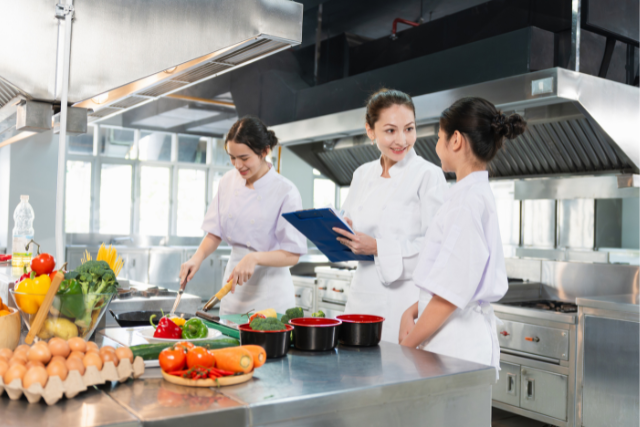
Practical experience is central to the Diploma in Culnary Arts and Technology Management. Students engage in real-world culinary activities that reinforce classroom learning:
- Student-Led Dining Events: Students plan menus, prepare dishes, and serve guests, learning first-hand how to manage timing, presentation, and customer experience.
- Catering Projects: Large-scale event preparation teaches students logistical coordination, ingredient scaling, and team management.
- Culinary Tours: Visits to local farms, markets, and international kitchens give students insight into sourcing practices, industry trends, and global culinary standards.
- Industry Exhibitions and Competitions: Participation in food festivals, culinary contests, and networking events exposes students to professional expectations, innovation, and collaboration
Integration of Technology and Management
A defining hallmark of the Diploma in Culinary Arts & Technology Management is its deliberate and comprehensive integration of technology and management principles into culinary education.
Workflow Optimization
Students are trained to analyze kitchen operations meticulously, map out workflows, and sequence tasks to ensure seamless preparation and service. By identifying bottlenecks and inefficiencies, students learn strategies to maximize productivity while maintaining high-quality output. This emphasis on operational analysis equips graduates with the ability to make kitchens run smoothly, even under high-pressure conditions.
Digital Systems
Before obtaining a diploma in Culinary Arts and Technology Management, it is essential to understand the industry-standard digital platforms, including inventory management software, kitchen display systems, and point-of-sale (POS) systems, first. This hands-on experience ensures that graduates are proficient in the technological tools that drive modern culinary operations, allowing them to monitor stock levels in real-time, coordinate orders efficiently, and streamline customer service processes.
Budgeting and Cost Control
Beyond culinary execution, students are trained in financial management skills essential for sustainable operations. They learn to analyze food costs, develop pricing strategies, manage procurement, and allocate resources effectively. By understanding the economics of the kitchen, students gain the insight needed to maintain profitability without compromising quality.
Leadership and Team Management
Success in a professional kitchen depends on individual skill and the ability to manage teams effectively. DCATM emphasizes leadership development, including delegation, supervision, and conflict resolution. Students practice motivating teams, coordinating staff schedules, and fostering a collaborative work environment, ensuring that graduates are prepared to maintain high morale and operational efficiency in any culinary setting.
Career Pathways
The Culnary Arts and Technology Management school graduates are positioned to access a broad spectrum of career opportunities across the food and hospitality sectors:
- Line Cook or Chef de Partie: Entry-level positions provide foundational experience, fostering technical proficiency and operational understanding.
- Executive or Corporate Chef: Graduates can oversee high-volume restaurants, hotels, or catering operations, managing both culinary output and organizational logistics.
- Restaurateur or Food Entrepreneur: Equipped with both culinary and business acumen, graduates can successfully launch and operate restaurants, cafes, or specialized food ventures.
- Research and Development Chef: Innovate and create recipes or food products for commercial production, retail, or niche markets.
- Kitchen Operations Manager: Apply workflow optimization, team management, and operational strategies to maximize efficiency in large-scale kitchens.
- Culinary Consultant: Advise restaurants, hotels, and food companies on menu development, operational improvements, and technology integration.
The program’s comprehensive approach ensures that graduates are prepared not only for traditional kitchen roles but also for emerging culinary sectors, including cloud kitchens, large-scale catering enterprises, food technology startups, and sustainability-focused food ventures.
Who the Program Is For
The DCATM program caters to a diverse audience, each with distinct aspirations:
- Aspiring Chefs: Individuals aiming for a career in professional kitchens, seeking comprehensive training in both culinary and managerial skills.
- Career Changers: Professionals from other fields interested in transitioning to the culinary industry and gaining practical experience.
- Food Enthusiasts: Passionate cooks who wish to transform their hobby into a sustainable career path.
- Entrepreneurs: Future restaurateurs and food business innovators who require a blend of culinary excellence and operational expertise.
The program’s versatile curriculum ensures that students, regardless of background, acquire the skills needed to excel in multiple roles across the culinary spectrum.
Start Your Culinary Journey with CCA Manila!
At CCA Manila, we designed the Diploma in Culinary Arts & Technology Management for students like you who want to turn a passion for food into a real career. By the time you graduate, you will be ready to take on multiple roles as a chef creating exciting dishes, a manager running a kitchen smoothly, an entrepreneur launching your own food business, or a consultant shaping the future of culinary operations.
In our program, you will master the kitchen and learn how food businesses operate. Every lesson, every cooking session, and every event is designed to build your creativity and leadership.
To see the full curriculum and learn how to apply, visit this page. Take the next step toward a career that allows you to create, lead, and innovate in the world of food.
